


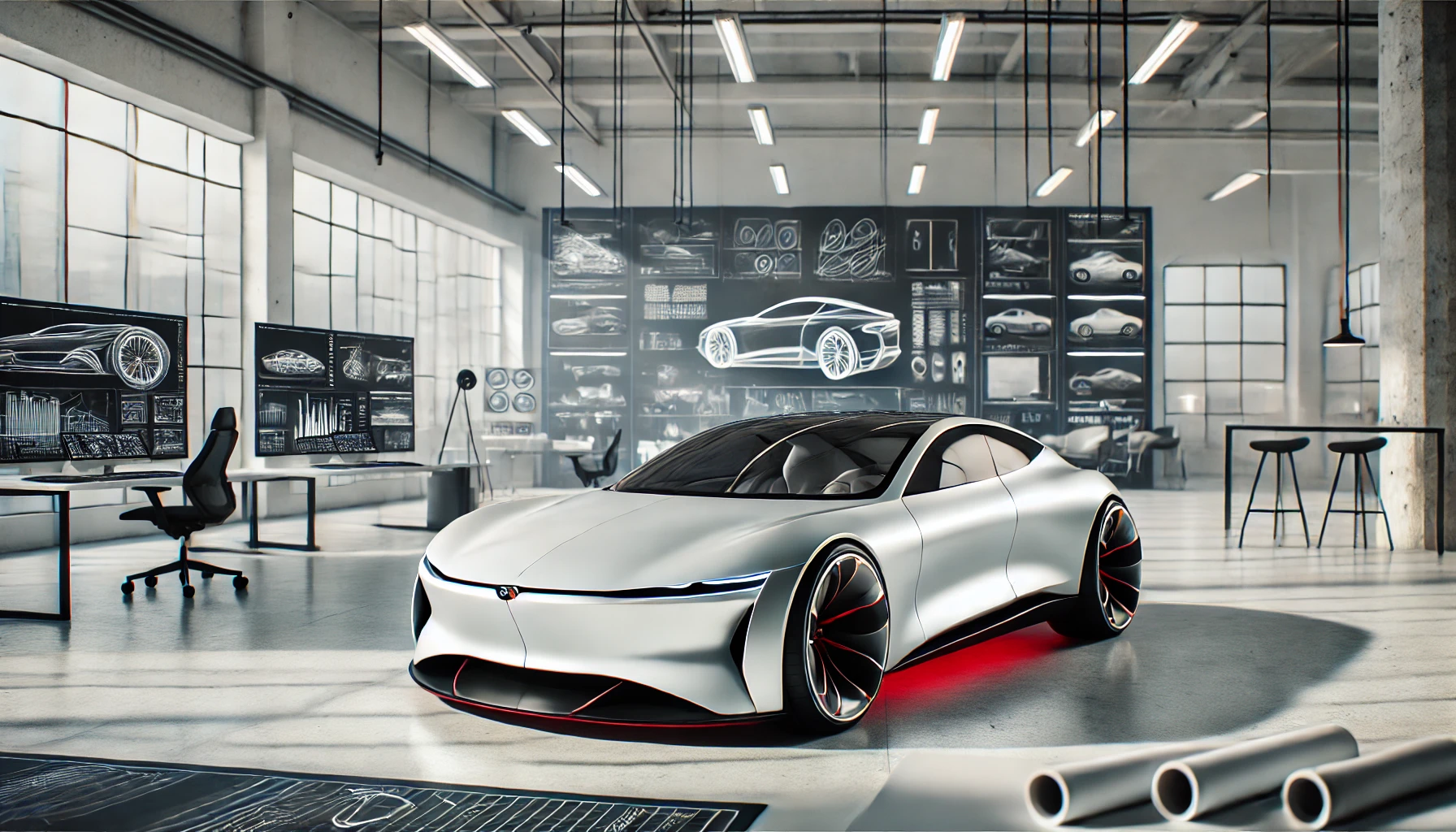
Automotive design is a discipline that blends art with engineering, aesthetics with functionality. Every line, curve, and detail of a car results from a complex creative process, aiming not only to create visually appealing vehicles but also ones that are safe, efficient, and enjoyable to drive. In this article, we delve into the importance of design in the automotive industry, examining how innovation and aesthetics merge to produce masterpieces on four wheels.
The History of Automotive Design
Automotive design has deep roots tracing back to the early days of the industry. In the early 20th century, cars were primarily designed for functionality and reliability. However, over time, aesthetics became increasingly significant. During the 1930s and 1940s, the introduction of streamlined lines and elegant shapes began to set new standards for beauty and performance.
Innovation and Technology
Today, automotive design is heavily influenced by technological innovation. Designers utilize advanced 3D modeling software such as UG NX11 and CATIA V5 to create detailed digital prototypes. These tools enable them to simulate aerodynamic behavior, analyze material resistance, and optimize every single vehicle component.
A recent example of this fusion between design and technology is the Mantis supercar, a project that brought together expert designers and engineers. Mantis embodies the authentic Italian spirit with its sleek, understated lines while delivering exceptional performance thanks to advanced technical engineering.
The Aesthetics of Movement
Automobile design isn’t just about how a vehicle looks when stationary but also how it appears in motion. Ergonomics and vehicle dynamics are crucial to ensuring a comfortable and safe driving experience. Fluid and aerodynamic shapes not only enhance fuel efficiency but also convey a sense of speed and agility.
Another significant example is the CL Torino chair, a product that, while not a vehicle, shares many principles of automotive design. With its adjustable lumbar support and integrated footrest, the chair is crafted to provide maximum comfort and improve posture—just as a well-designed car ensures the driver’s comfort.
Sustainability and the Future
Another area where automotive design is making great strides is sustainability. With growing environmental awareness, designers are exploring new eco-friendly materials and alternative energy solutions. Electric and hybrid vehicles are becoming increasingly common, and designing these vehicles involves addressing new challenges, such as battery management and aerodynamics.
Conclusion
Automotive design is a captivating discipline that continues to evolve with advancing technology and consumer needs. From aesthetics to innovation, sustainability to functionality, every aspect of design contributes to creating vehicles that are not only visually stunning but also delightful to drive.
The future of automotive design promises to be even more exciting, with new technologies and materials pushing the boundaries of what is possible.
The importance of design in the automotive industry cannot be underestimated. It is an art that requires creativity, precision, and a deep understanding of user needs. As we continue to innovate and explore new frontiers, we can expect to see increasingly advanced, beautiful, and sustainable vehicles on our roads.